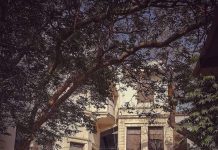

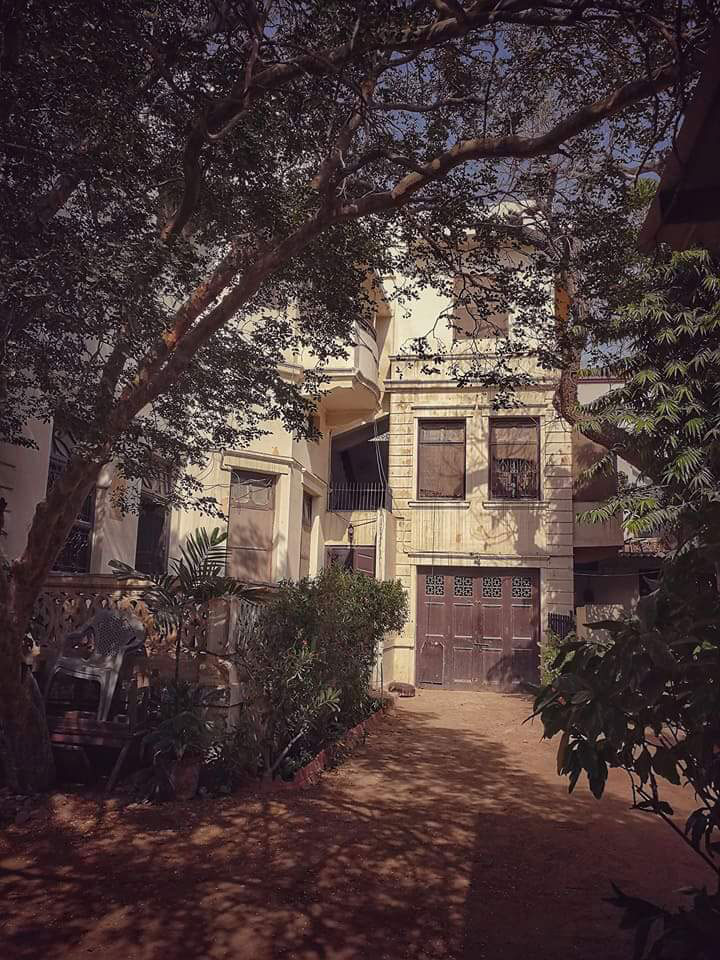
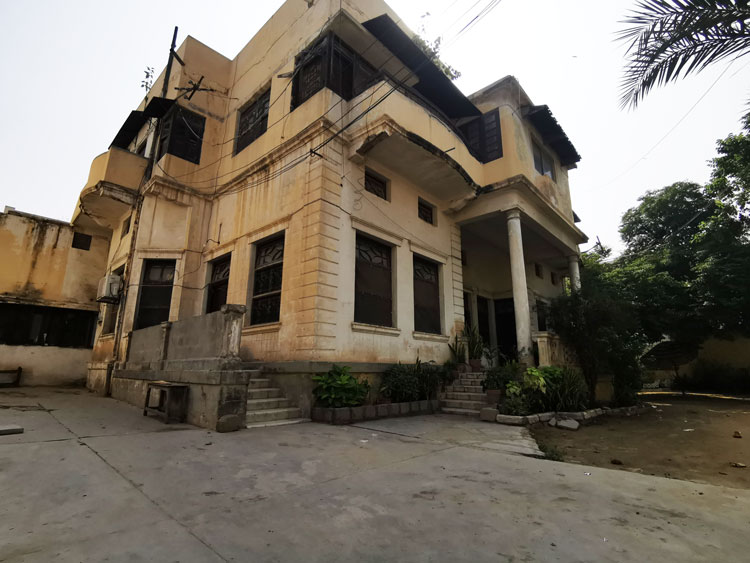
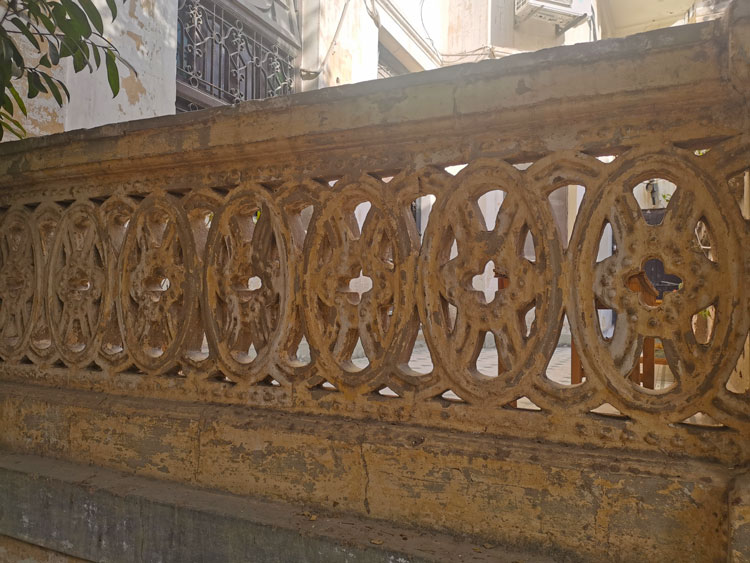
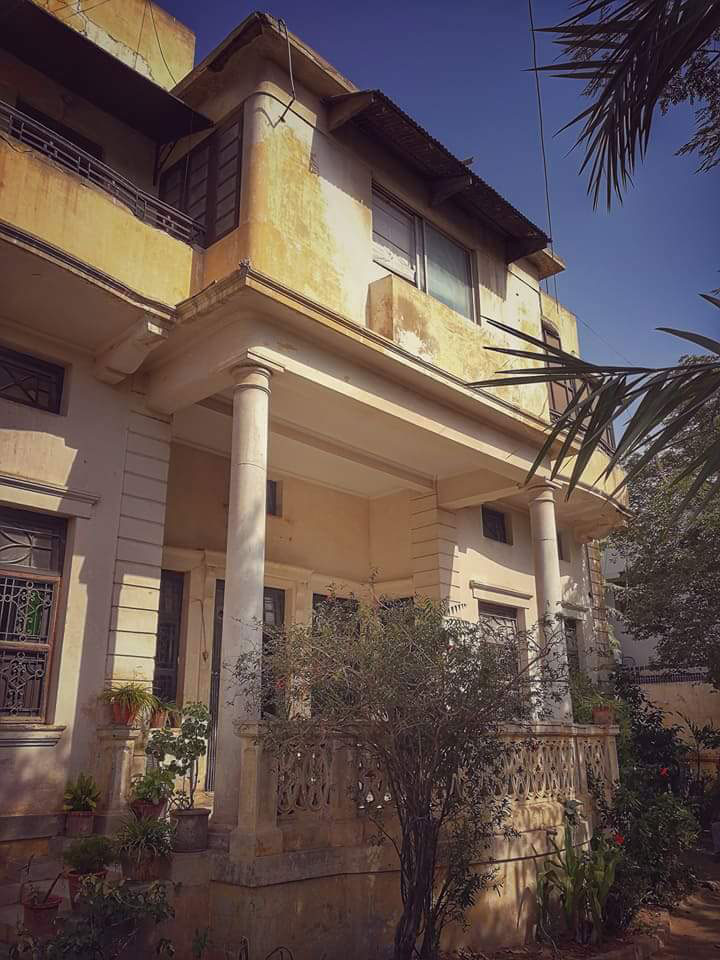
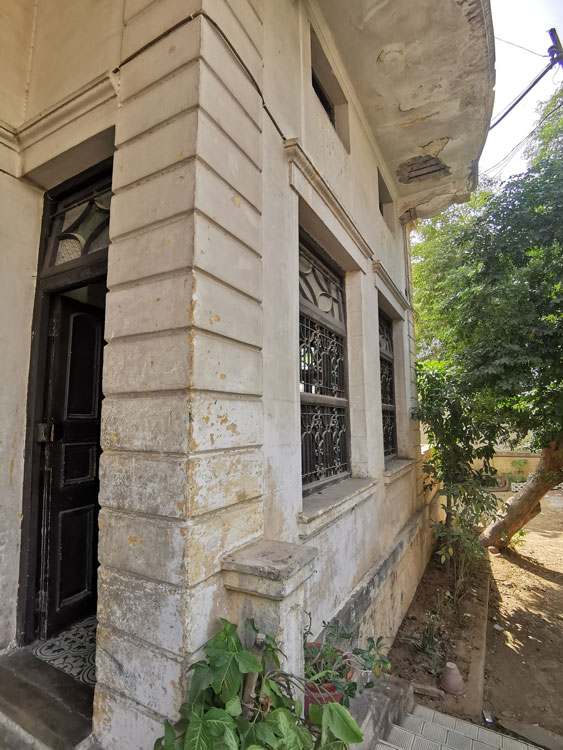
This is the story of a house, B4 Kamla Nehru Road. Located in an upscale suburb of Karachi, everyone in the neighbourhood knew it well. A deep front verandah surrounded by a cement jaali or filigree dominated the façade. The surrounding neem and fruit trees hung low over an impressive pair of wooden doors which opened into the garage where beautiful vintage cars were once parked.
Built in 1927, the house weathered the upheavals of history and nurtured several generations. A wealth of stories unfolded here; new beginnings, new milestones, celebrations, also heartbreak and loss.
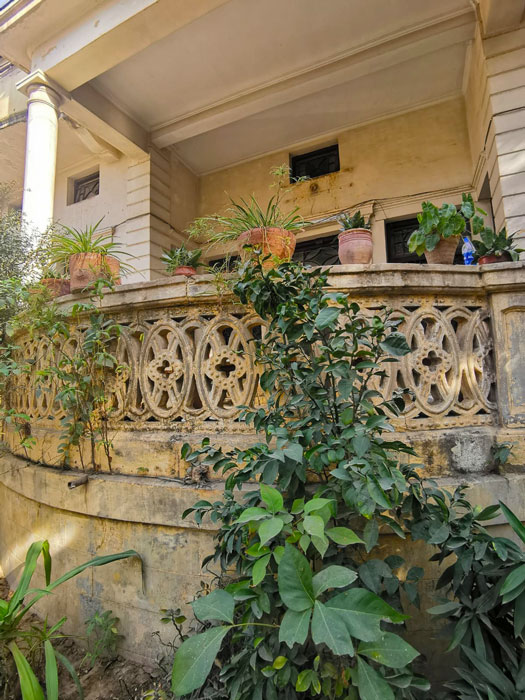
This is the story of the family that lived here; held together by tradition and the concrete bond of a common family home. It was the nerve centre of the clan, gathering old and young in its generous embrace, the gates always open to welcome not only friends and family but the myriads who would throng here for the free homeopathy clinic which became its enduring legacy.
This is also a story of loss. Not just the loss of a structure, but the loss of a dream, of safe streets and community living, of an inclusive spirit and easy neighbourhood camaraderie.
HISTORY
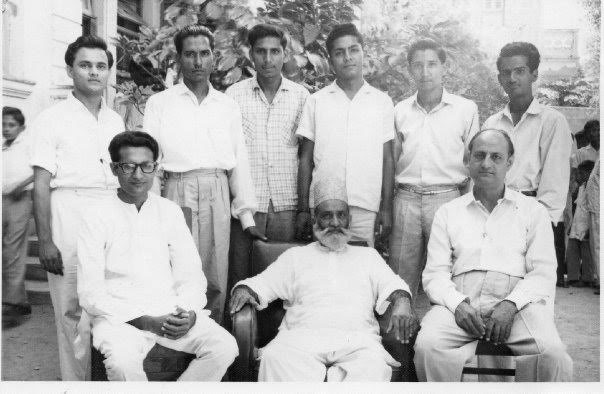
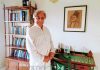
“It was not just a house – it was more like a way of life for the family,” says Naeema Kapadia whose grandfather moved into the house after Partition in 1947. Dr. Ghulam Ahmed Hussein Kapadia hailed from Nasik and graduated from Elphinstone College in Bombay, British India. Although he had a degree in Persian, he built a career in the banknote printing facility of India where he rose to a high position. In fact, in recognition of his exemplary services, he was conferred the honorary title of ‘Khan Sahib’ by Lord Wavell, the then Viceroy.
A man of Dr Kapadia’s talents was naturally an asset for the newly created state of Pakistan. Following an official invitation by the government, he opted for the new homeland where he joined the Ministry of Finance.
Alongside his professional career, GAH Kapadia studied homeopathy under Dr. Rai Bahadur Bishambar Das. Throughout his life, he continued to dispense homeopathic treatment free of charge, purely as a philanthropic endeavour. This practice continued till his death in 1965 when the mantle was taken up by his sons. Patients lined up at the family home in Karachi every Sunday until 2023 when the house was sold and knocked down, erasing a whole way of life.
COSMOPOLITAN SOCIETY
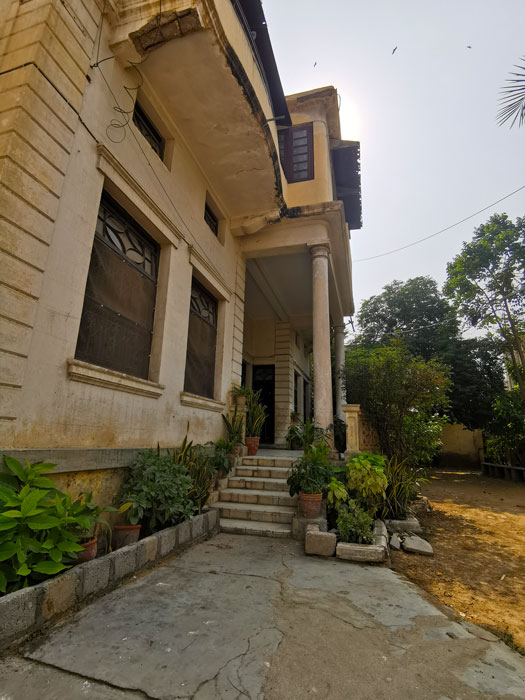
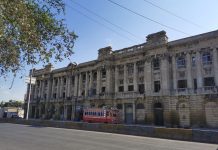
Cosmopolitan Society, as the enclave around the house was named, was developed in the late 20s and 30s as an elite suburb with spacious bungalows and tree-lined streets.
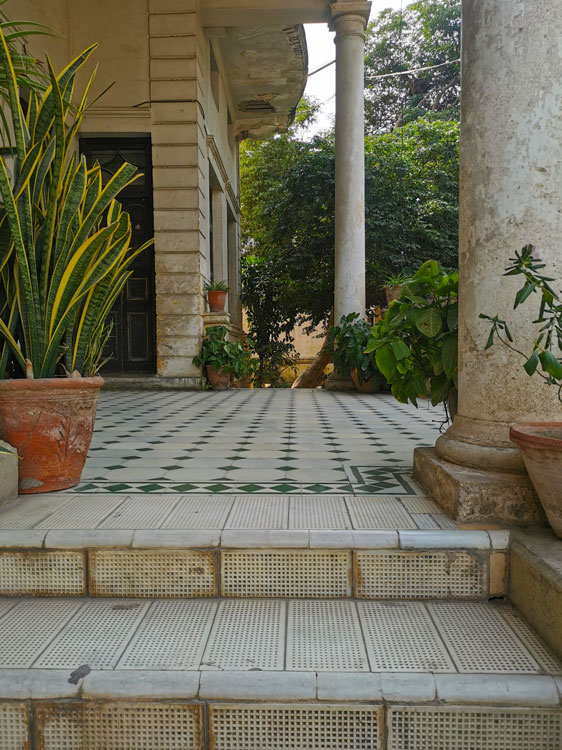
The surrounding area was known as Guru Mandir and later the Quaid’s mazaar was built in the area opposite Cosmopolitan Society. “The houses were constructed in the Anglo-vernacular style, including deep verandahs, high ceilings, and cross-ventilated spaces,” says Aqeel Kapadia, architect and grandson of Dr GAH Kapadia. “In the years following Partition, many prominent families took up residence here. The low walls and open gates encouraged neighbourly bonds and a communal sense of ownership. The Cosmopolitan Club was established to promote this spirit.”
“As a small child, I remember clean roads with trams and horse carriages plying the streets,” reminisces Naeema. I loved walking with my younger uncles to the nearby Parsi Colony or to my Sindhi teacher’s home near the Islamia college globe or to the Cosmopolitan club. Definitely a cleaner and safer Karachi at the time. My siblings, myself and some cousins went to school next door, at St Rita’s, a landmark that thankfully still stands on Jigar Muradabadi Road. Friday namaz was offered at the New Town Mosque with the namazis sometimes stopping at the Blue Ribbon Bakery on the way back. The popular Hakka Chinese Restaurant was also nearby as well as the Gul e Rana Women’s Club.”
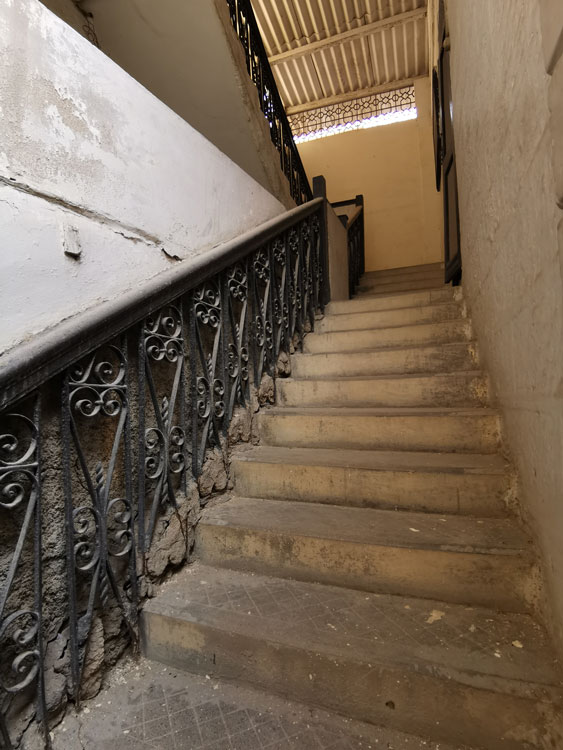
As a government servant, Dr GAH Kapadia took up residence on the ground floor of the house with other tenants in two other portions. However, he later purchased the entire property from the Settlement Department. The other tenants eventually agreed to pay him rent since he was now the legal owner of the house. Many years later, after Dr Kapadia’s demise, the tenants had to be taken to court to vacate the home. “We have heard stories of how they were finally made to leave accompanied by the beating of the bailiff’s dhol,” says Naeema.
AN ARCHITECTURAL GEM
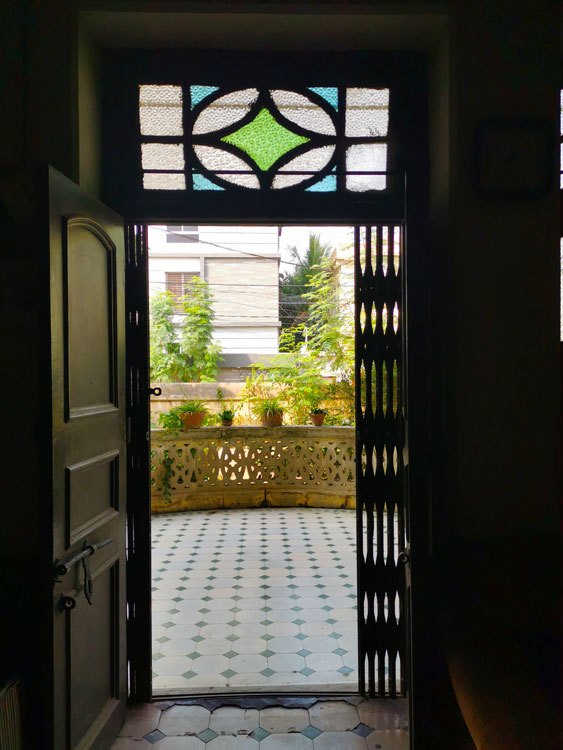
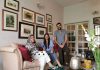
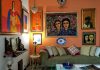
“There was a ground floor and then two separate portions on the first floor. Almost all the family members on my paternal side must have stayed here at some point in their lives whether briefly or for few years,” says Naeema. “I spent nine years of my childhood in this home.”
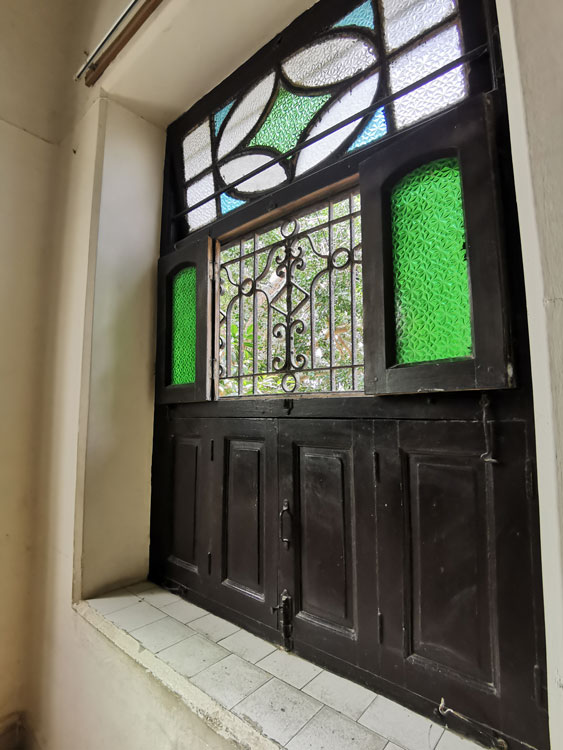
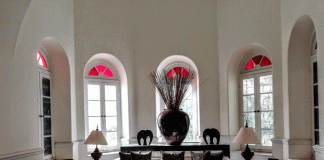
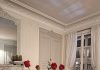
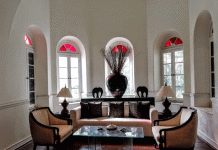
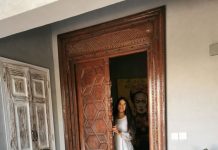
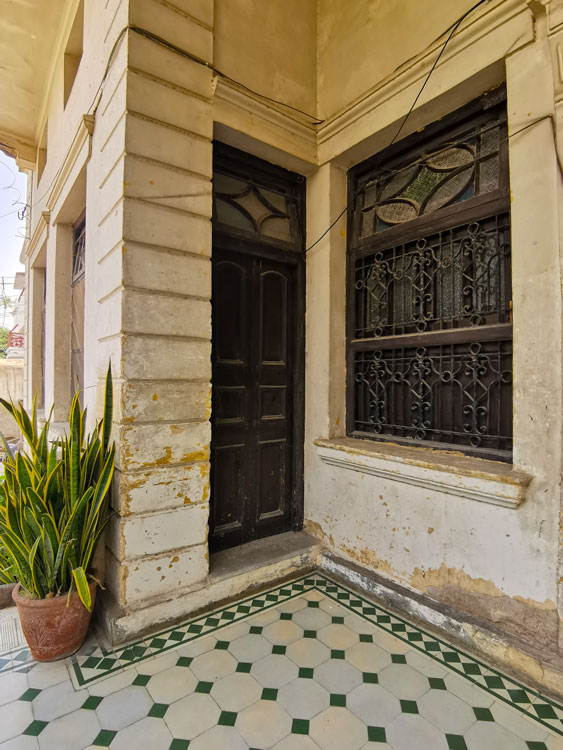
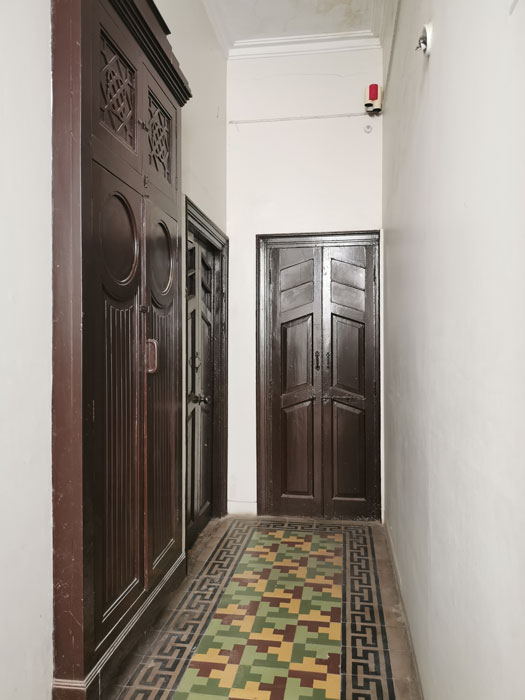
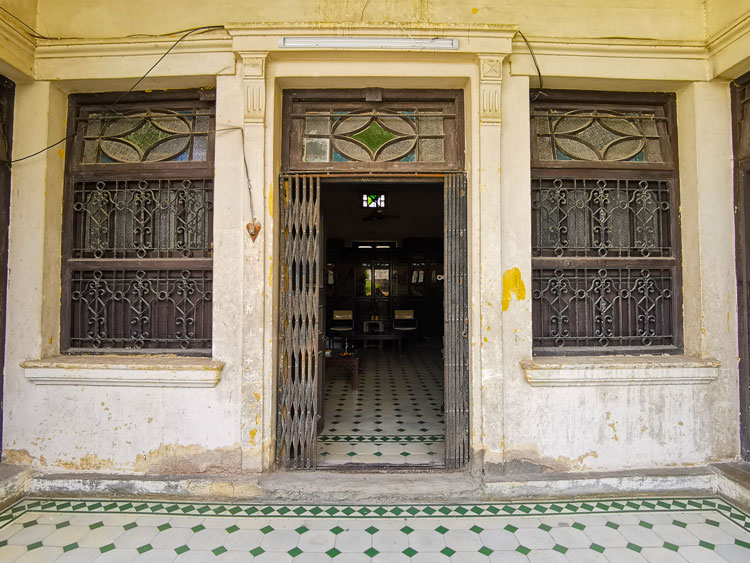
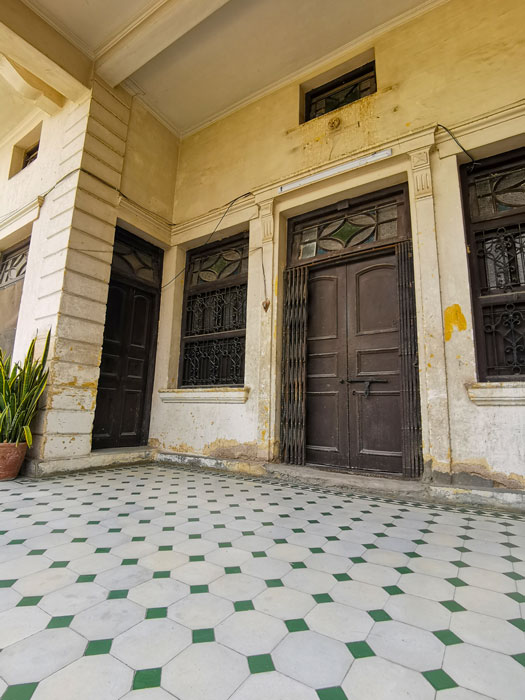
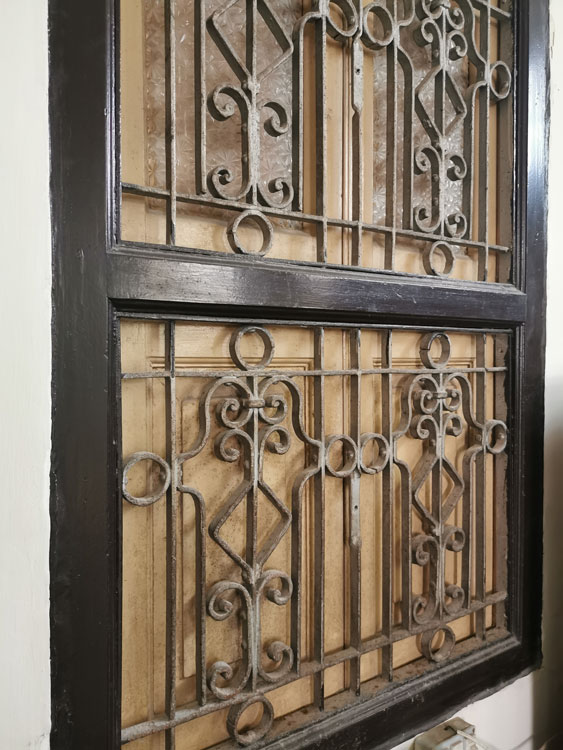
The tall double-doored entrances were topped by roshandans which let in light and air. More stained glass roshandans were placed along the high walls for the same purpose. The windows were particularly beautiful, combining stained glass with teak panels and wrought iron filigree grillwork. The ceilings were embellished with silvered mouldings.
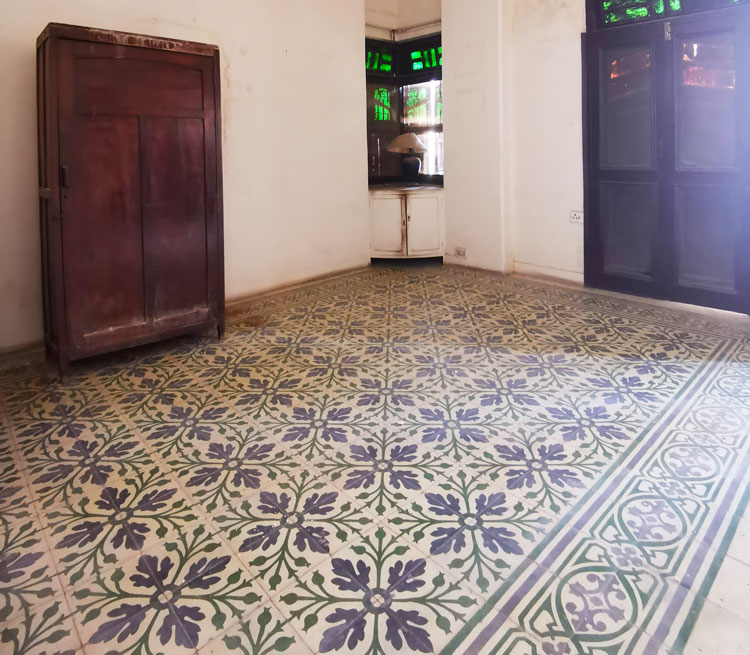
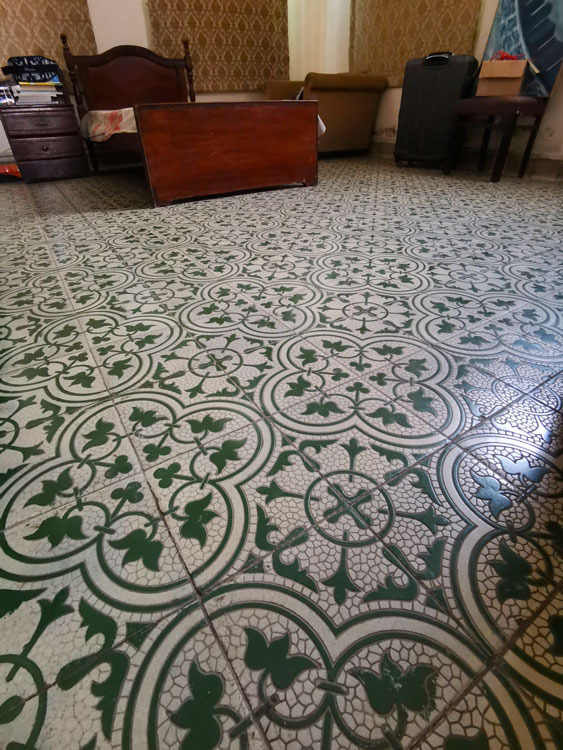
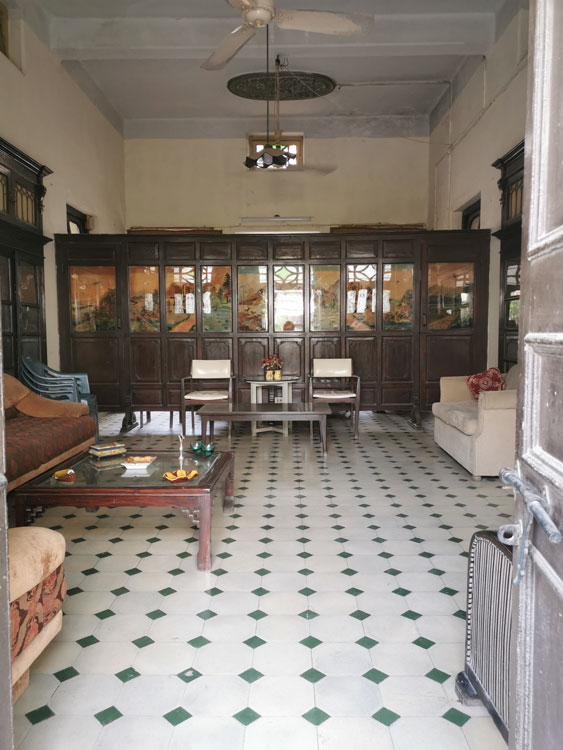
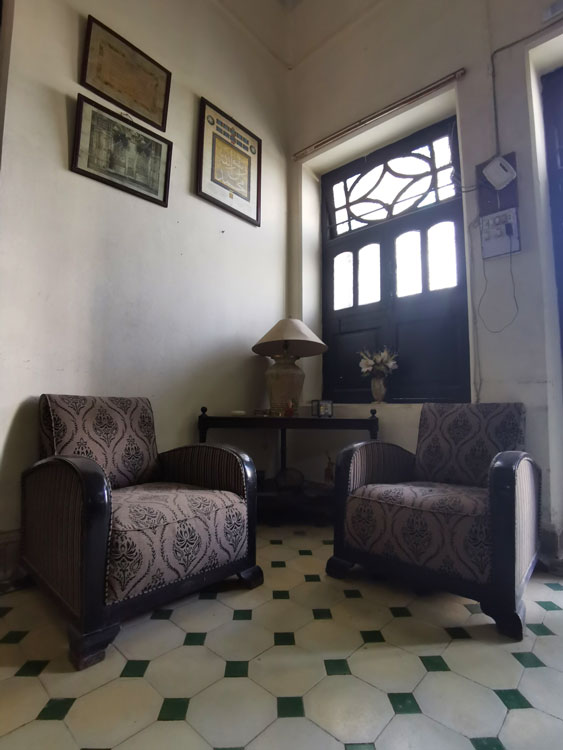
Classic, colourful Nusserwanjee tiles were used throughout the house in varying colours and patterns. But the most striking was a vine and leaf patterned green and white floor made up of Italian mosaic tiles. “As a child I barely noticed the flooring but today I marvel at them,” says Naeema. “I managed to salvage a few of the Italian tiles as a nostalgic keepsake.”
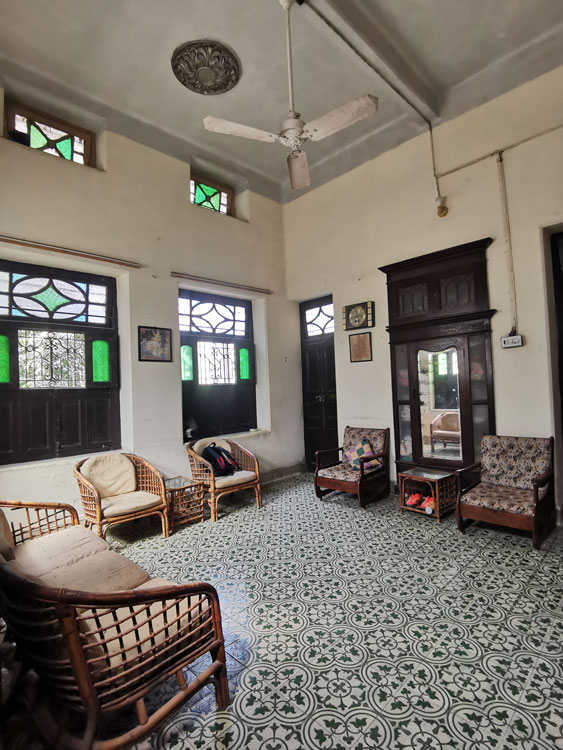
The house was full of antique furniture and solid teak cupboards built into the walls. Most notable was a screen which stood downstairs, sectioning off the living and dining area. It came along with the house and had a teak frame fitted with glass panels.
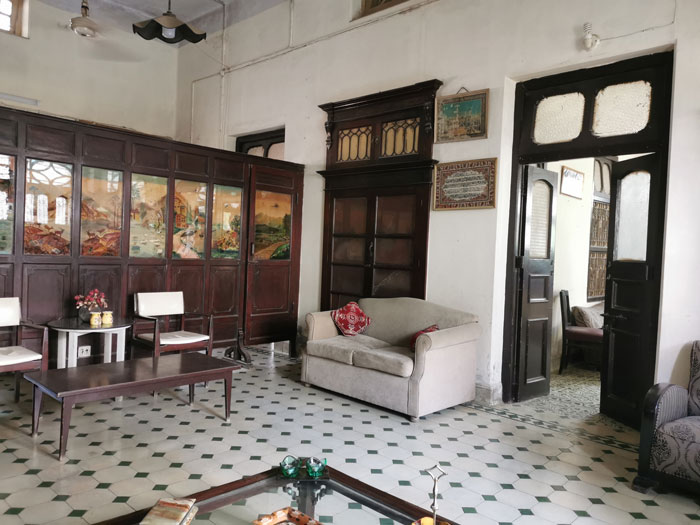
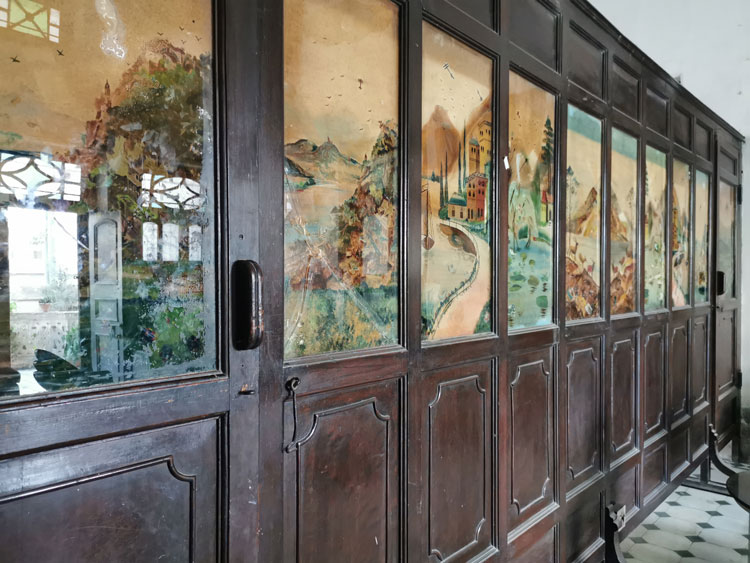
These panels were painted with landscapes, the work of a British artist whose name can be found on the screen.
QAWWALI TRADITION
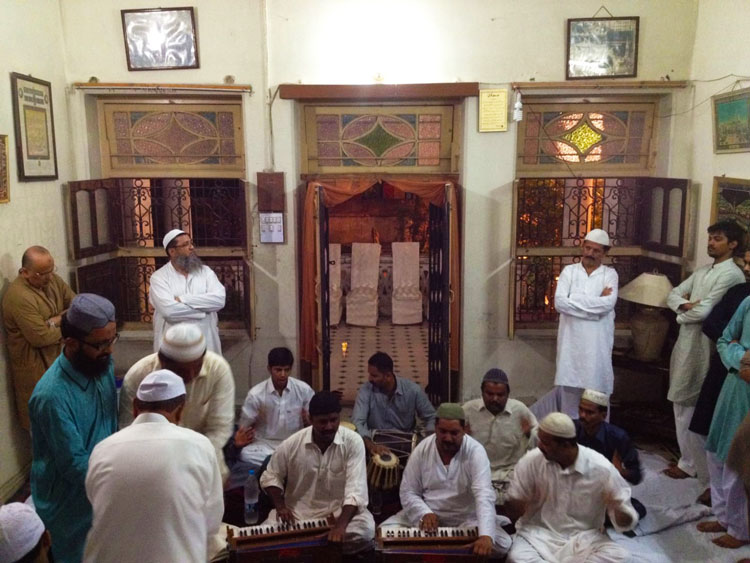
The late GAH Kapadia was also deeply rooted in the Chishti Sufi tradition and later became a gaddi nashin, or spiritual caretaker. “Taravih prayers were held here every Ramazan at a time when there were fewer mosques in the city. Qawwali mehfils were also frequently held,” says Aqeel. “The home provided qawwals with a venue to interact with the city’s notables. In fact, some of Karachi’s most famous qawwals found early audiences here.”
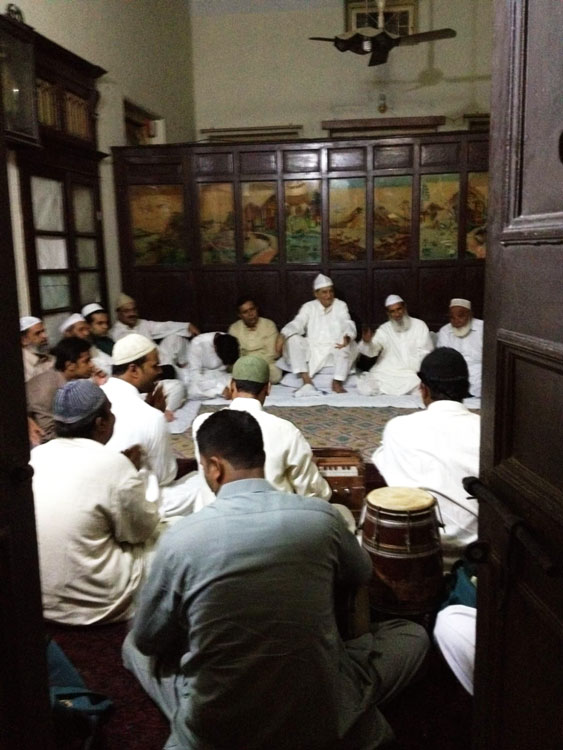
“There was always an excuse for a social gathering,” remembers Naeema. From Qawwalis to taravihs and Ramazan badminton tournaments…it was quite a popular place. People seemed to know the property and the inhabitants.” “On a more intimate note, I fondly recall impromptu musical evenings where the chachas and my father would entertain us with their melodious voices singing old Mukesh and Kishore songs.”
THE HOMEOPATHY CLINIC
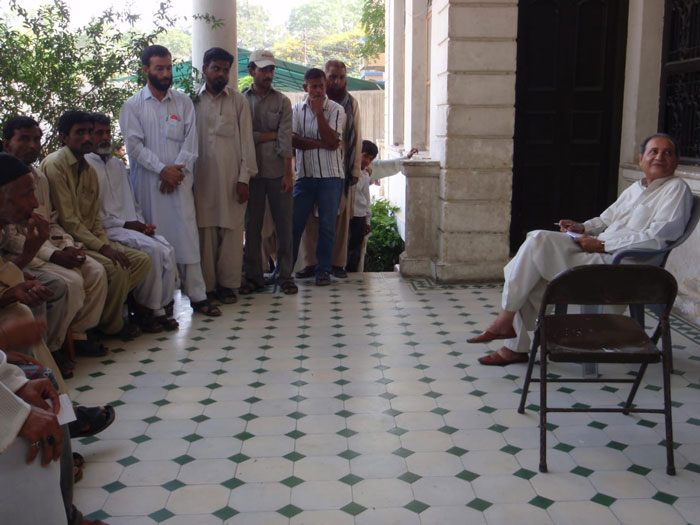
This home in Gurumandir was known around Karachi for the free homeopathy clinic held every weekend. “My father, the late Ghulam Muhammad Kapadia took charge of the Sunday homeopathy tradition after Dada passed,” says Aqeel. “He shared his father’s interest in homeopathy and had passed the exams to be qualified as a doctor of homeopathy. He selflessly served the clinic for 55 plus years, till his own health declined. His younger brothers would also help run the Sunday clinic.”
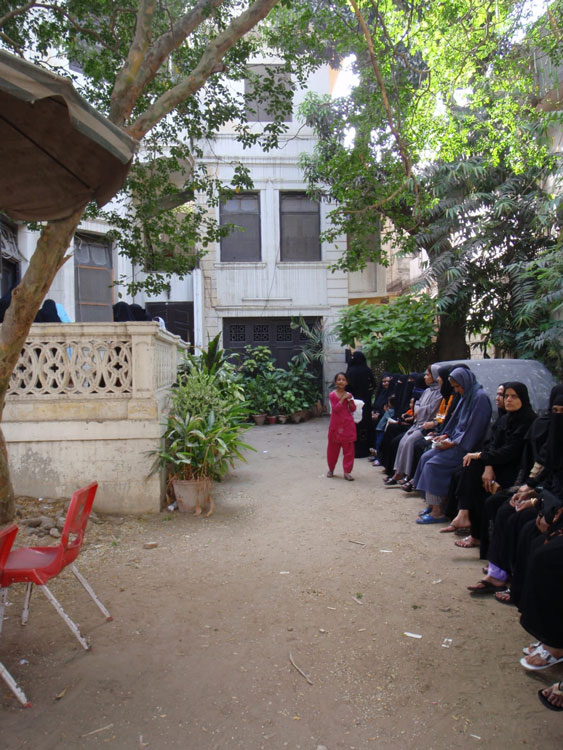
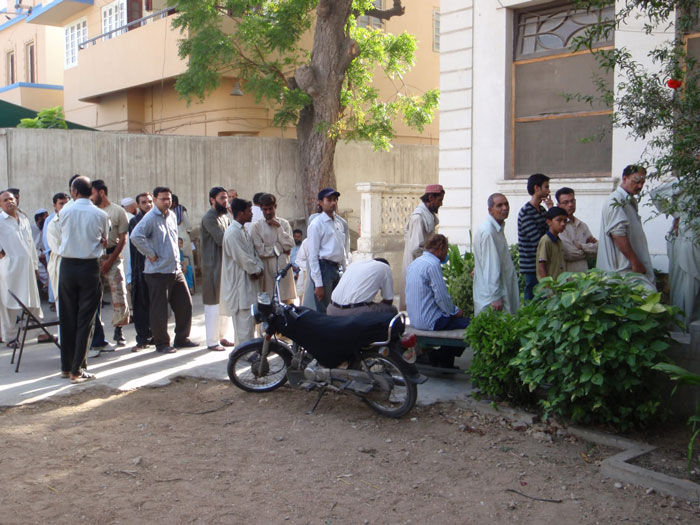
Patients from all walks of life from high-ranking officials to paupers would visit the clinic. “I remember Abba waking up very early on Sundays while most people slept in,” says Naeema. “He would spend half a day at the clinic. Then my uncle Ghulam Mohyeddin Kapadia, who is a pathologist but also trained in homeopathy, would continue the clinic till the early evening. On a good Sunday, they easily saw 500 to a thousand or more patients and dispensed free medicine. Other doctors and homeopathic students would also volunteer regularly – it was a great experience and they would gather a good patient data base for their private practices.”
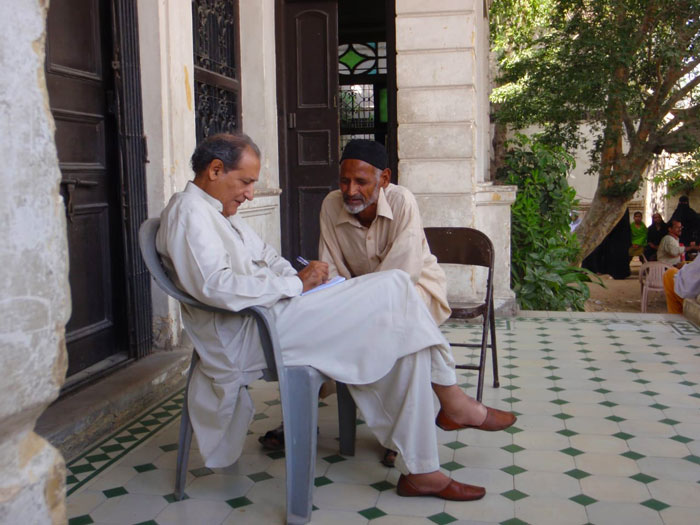
“I am still in awe of my father’s discipline and dedication. He continued the tradition which spanned two generations. And the tradition continues till today,” adds Naeema.
After the Kamla Nehru Road house was sold, some neighbours generously offered their premises for the clinic. The practice continued till 2025 when that house was also sold. Fortunately, the volunteers who run the clinic managed to re-locate once again, this time to a premises in Burns Road. The house may be gone ,but the legacy of philanthropic healing still persists.
RESIDENTS OF KAMLA NEHRU ROAD
GAH Kapadia’s children included the much loved and respected television actor Latif Kapadia who occupied the upstairs section of the house with his wife and children. “There was always a stream of prominent artists, writers and actors in and out of the home,” recalls Naeema.
His eldest son Ghulam Ali Kapadia, served as General Manager of PIA and was also mixed doubles national badminton champion. After his demise, his wife Mrs Naseema Kapadia lived here for many years. She was a distinguished educationist and served as Headmistress Cambridge Section at St Joseph’s Convent School.
“Our father, Ghulam Muhammad Kapadia, (better known in banking circles as GMK) was a seasoned banker as well as a Fellow of Homeopathy,” Naeema tells us. “He loved to sing and played the harmonium. He was also a skilled table tennis player winning bank competitions,” adds Aqeel.
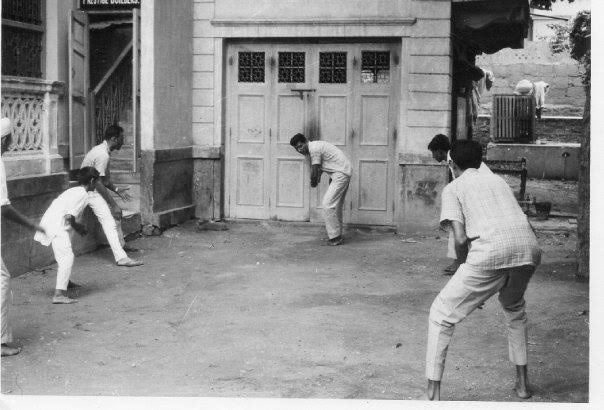
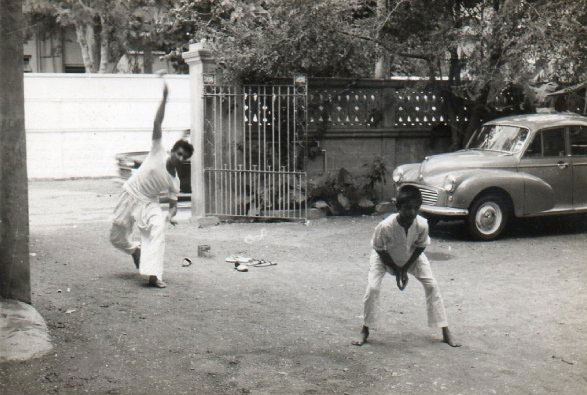
All the brothers were avid cricketers and a lot of street cricket was played in the nearby lanes. “Boys from nearby homes would join in. In fact, a young Waheed Murad would also sometimes be seen playing here.”
LIFE AT KAMLA NEHRU ROAD
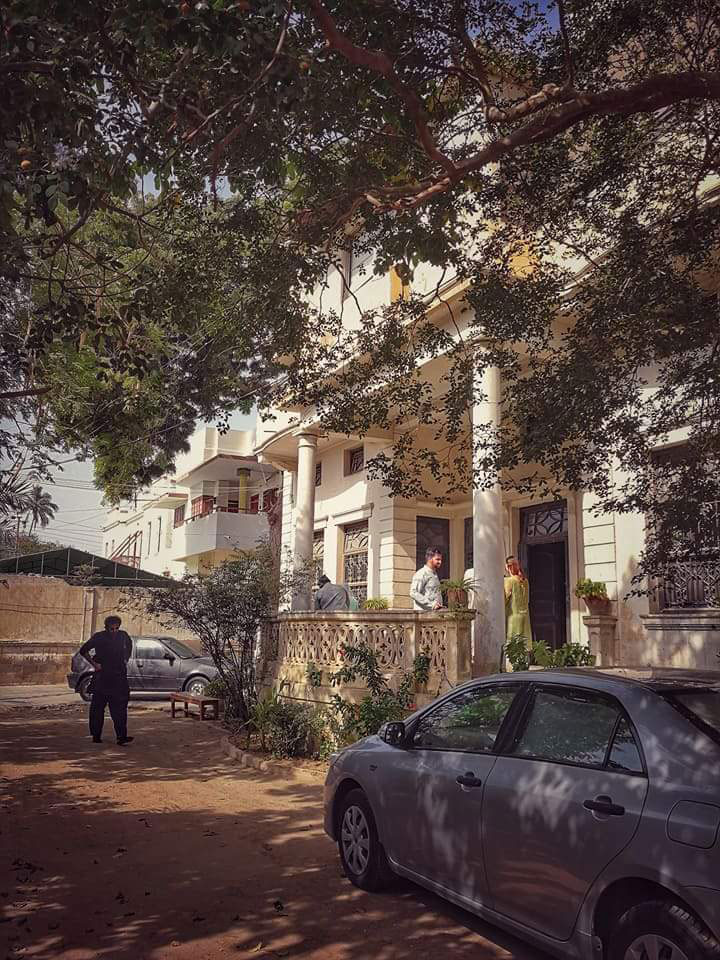
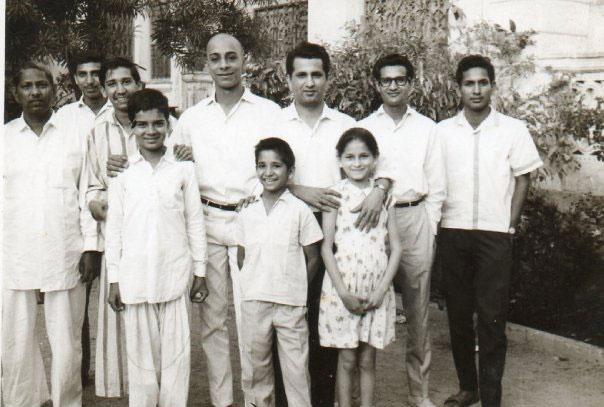
The grounds of the house were full of fruit trees, bair, badaam, guava and of course mangoes. “Every mango season our Dadi launched a veritable mango operation! “ recalls Naeema. “Besides our own staff, neighbourhood help would also pitch in to climb onto the trees and start shaking them. On the ground below, the children and other staff would be waiting holding bedsheets to catch the fruit as it fell.“
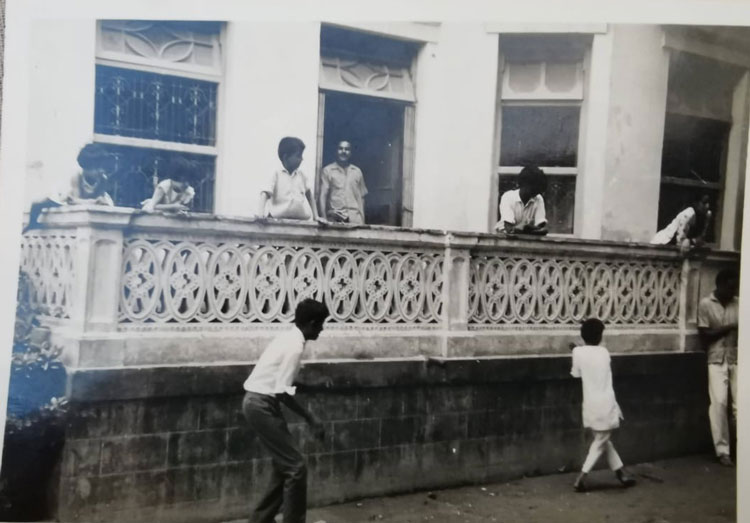
“The beautiful filigree wrought iron gates of the home were always open. Every evening, after completing our homework, my elder sister, Arifa, and I would be outside in the lane on our little bicycles while our young chachas were busy playing cricket outside. Children from all the homes on the street would come out to play and we would all troop home at maghrib.”
The roof was another popular gathering spot for the children and younger people. “We spent a lot of time up there with my cousins and chachas,” reminicses Naeema. “Whether flying kites or just enjoying the breeze.”
HERITAGE LOST
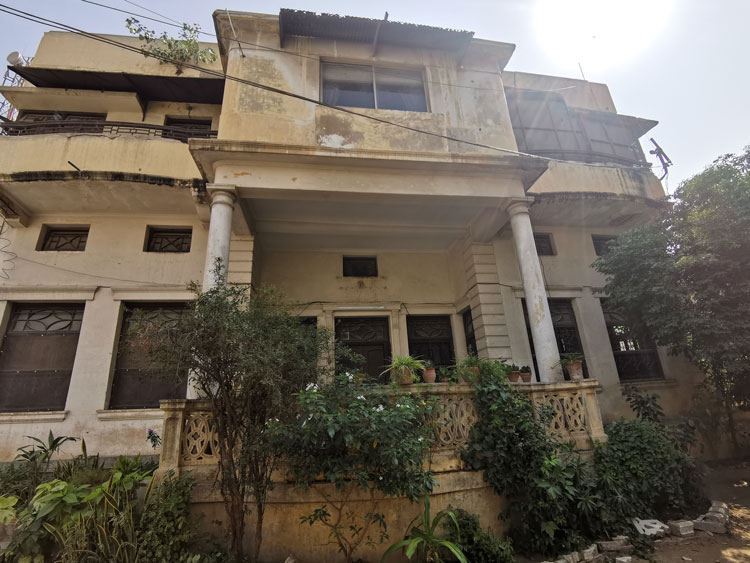
The house no longer stands today. “Our house was the last one standing in the lane – eventually we succumbed and had to let it go,” says Naeema for whom this is an emotional subject. “When the house was gone, we also lost a little bit of ourselves. Memories remain and reminiscing is now often a favourite past time.”
The harsh reality is that most families have no choice but to sell because they cannot afford to maintain these historic homes which are literally crumbling around them. And even if they can, the surrounding areas are no longer suitable residential locales.
At the same time, the historic significance of the Guru Mandir area cannot be denied. Lending further weight is the fact that the Quaid’s Mazaar is situated here. “One can only imagine why the authorities allowed the entire area to deteriorate,” wonders Naeema.
It is clear that simply putting buildings on a heritage list is not the solution. The resources to restore heritage homes or to salvage the surrounding areas are simply not available. Decades of unplanned and chaotic development, with complete disregard for history or the environment, have brought matters to a dire pass. The urban landscape of Karachi has changed rapidly to support a swelling population and a rich tapestry of architecture and cultural heritage has been the victim.
As Naeema concludes dolefully “We have literally lost our history and continue to do so.”
Historical research courtesy Aqeel Kapadia
Photos by Naeema Kapadia and Aqeel Kapadia